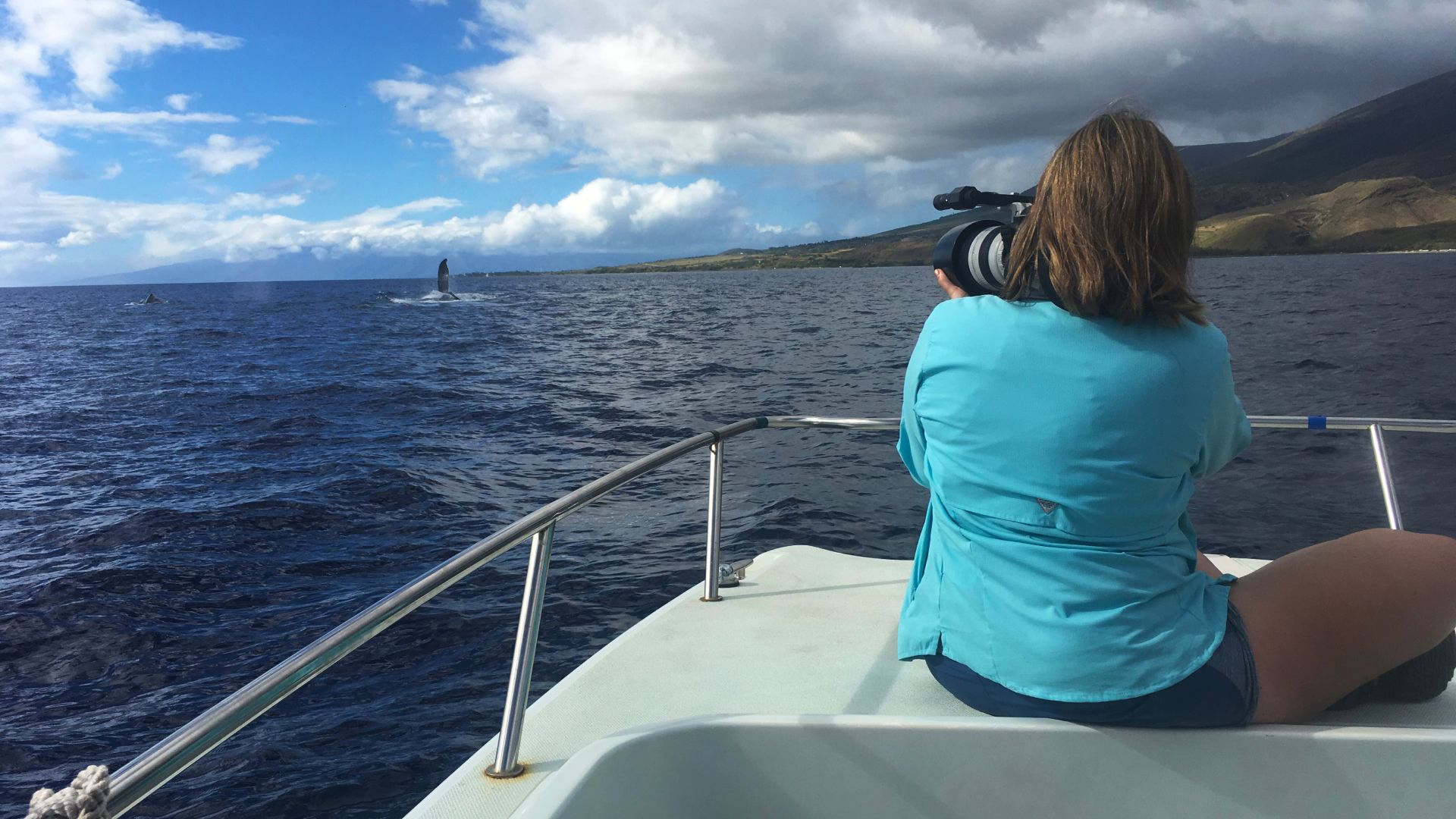
Pacific Whale Foundation researchers work on applied research projects throughout the Pacific region that support conservation and management outcomes.
Our research data is used to influence public policy and mobilize community members in support of marine mammal conservation, specifically whales and dolphins.
Since 1980, PWF researchers have published over 100 peer-reviewed publications, reports and books influencing the advancement of our collective knowledge and management of whales and dolphins.
applied Research methods
Long-term
(40+ years) population monitoring
Short-term
(3-5 years) projects to measure the impact of specific stressors and identify management outcomes
Community science
(Ongoing) campaigns that enlist the public in our dedicated research efforts
Technical Innovations
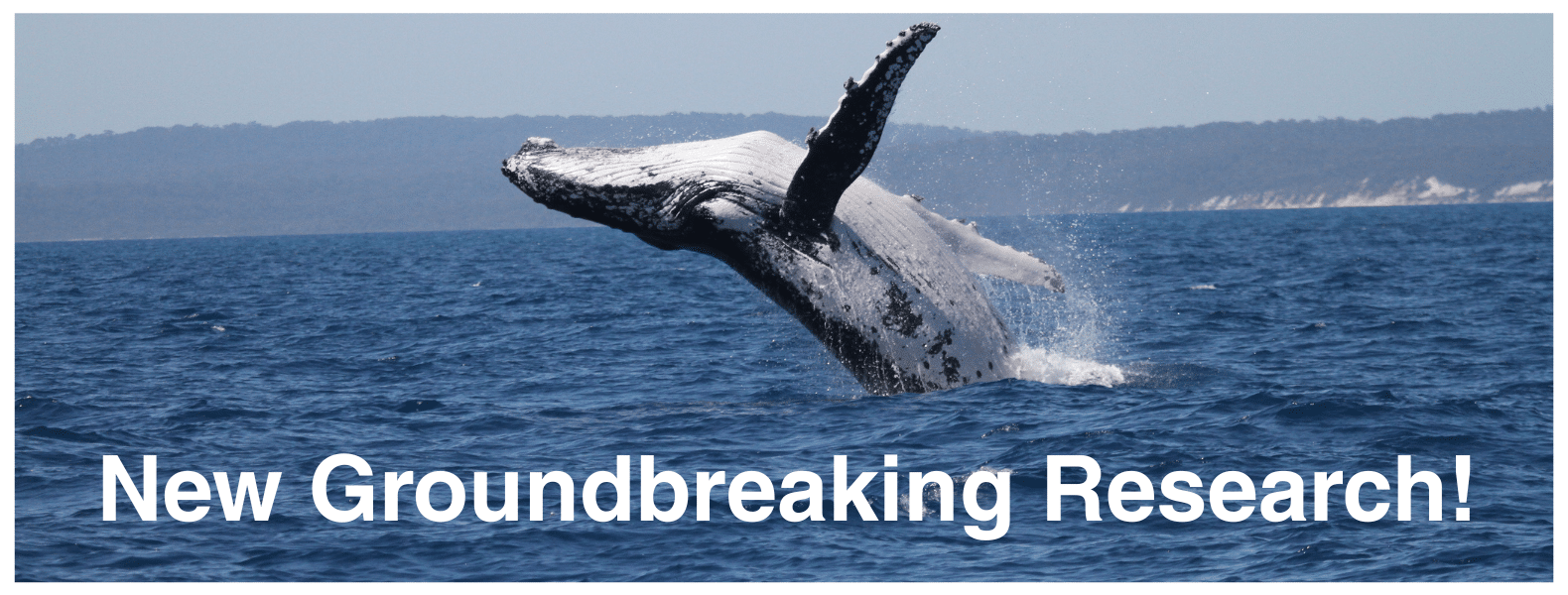
Breaking new ground in marine mammal research, Pacific Whale Foundation in collaboration with the Marine Mammal Research Program, were able to complete the first-ever deployment of a Customized Animal Tracking Solutions (www.cats.is; CATS) suction-cup video tag on an individual female false killer whale (Pseudorca crassidens) from the endangered main Hawaiian Islands Population. The tag remained on the animal for >12 hours and is a significant step forward in understanding more about the energetic dynamics and foraging strategies of false killer whales, and part of a long-term project on false killer whales in Hawaiʻi.
research opportunities
NMFS/MMPA Permit #21321
Volunteering
If you reside in Hawai‘i; Hervey Bay, Australia; and/or Puerto Lopez, Ecuador, and are interested in volunteering with us, please email the research team to inquire about opportunities.
NMFS/MMPA Permit #21321
Grad students
Graduate students currently enrolled in a marine program interested in partnering with PWF researchers to analyze/collect data can contact us to discuss potential opportunities.
NMFS/MMPA Permit #21321
Careers
Love the ocean and its rich wildlife? Want to have a job in which you can make a difference? Visit our careers webpages for Hawaiʻi and Australia to explore available paid positions that may be of interest.